A palette of terroirs
« A mass of calm
and visible reserve »
To find the most impressive terroirs, one must go off the beaten trail, taking the high road, away from the glitz, to find a diamond in the rough.
Although the natural qualities of its vineyard have been renown for centuries, Larcis Ducasse has long remained a secret of the connoisseur.
Its terroir offers a mosaic of innumerable nuances, aromas, and tastes. Its broad and extraordinary range of soils can be compared to a “Mille-Feuille” that one may observe while strolling through the hillside.
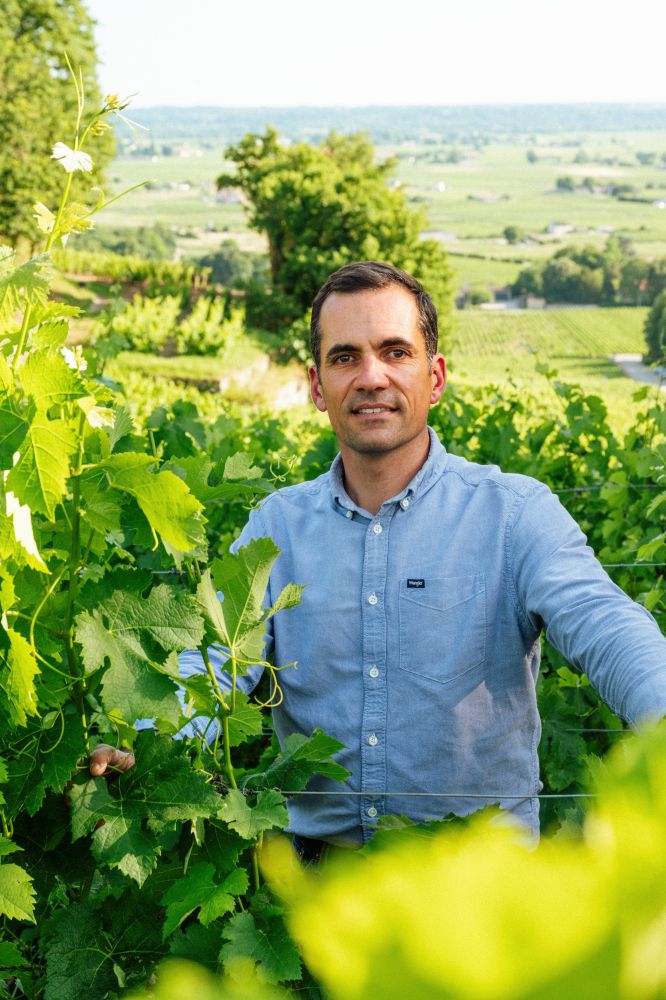
« Our work as winegrowers is focused here today on highlighting the remarkable balance of this location, through our choices and actions. Dryness and humidity coexist here, with a permanent contrast between the bright south-facing slopes characterised by sunny flavours and aromas and the enduring freshness of the clay-limestone, from which the vines draw their energy. »
David Suire, Winemaker
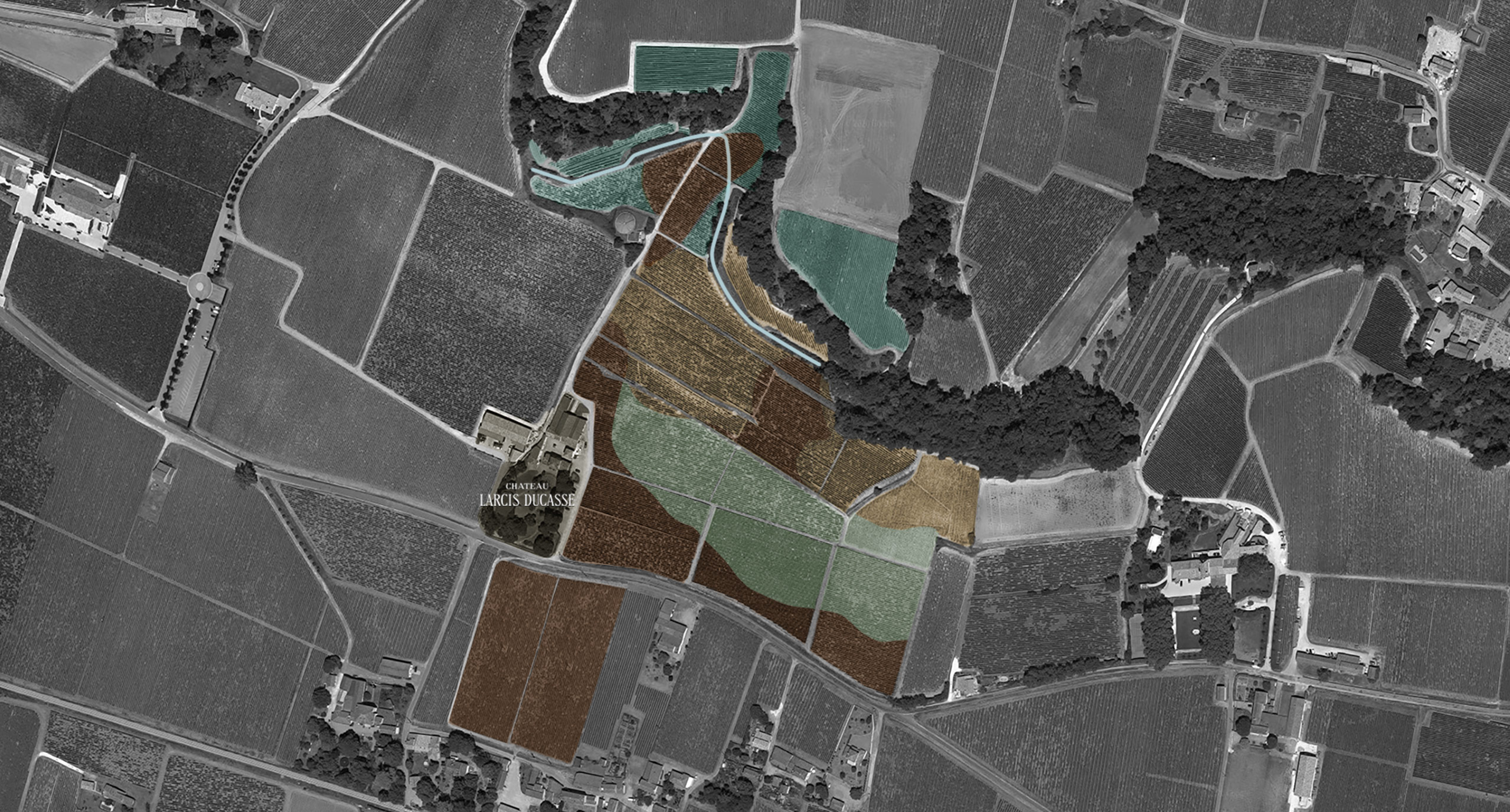
Of one unique holding, the vineyard of Chateau Larcis Ducasse is planted on several geological formations, essentially sedimentary, that explain its reliefs. Larcis Ducasse draws its signature in three major types of privileged winegrowing terroirs.
The limestone plateau, “Les Salins”
A powerful slab of limestone with marine-origin asterias.
Here, the limestone rock, topped with a thin layer of brown clay, brings freshness, minerality, and a salty, iodine-tinged backbone.
The “Grande Côte”, between “Scents of the East » and “Bathed in light”
The “Grande Côte of Saint-Emilion,” also known as Côte Pavie, is a long south-facing slope with steep inclines (up to 25%).
On the upper slopes, the « Molasses du fronsadais » provides a luminous and brilliant character. It is a soft sedimentary rock, where clay and limestone merge into one.
At the heart of the slope, limestone enhances clay in all its strength.
The opulence and generosity of the fruit are revealed under the solar influence of the vintage.
The foot of the slope, the “Deep roots”
A gentler incline (from 2 to 5%), deep-rooted vines, with varying proportions of clay and calcareous sand.
Here, regardless of the nature of the vintage, the wine expresses the earth more than the sun.
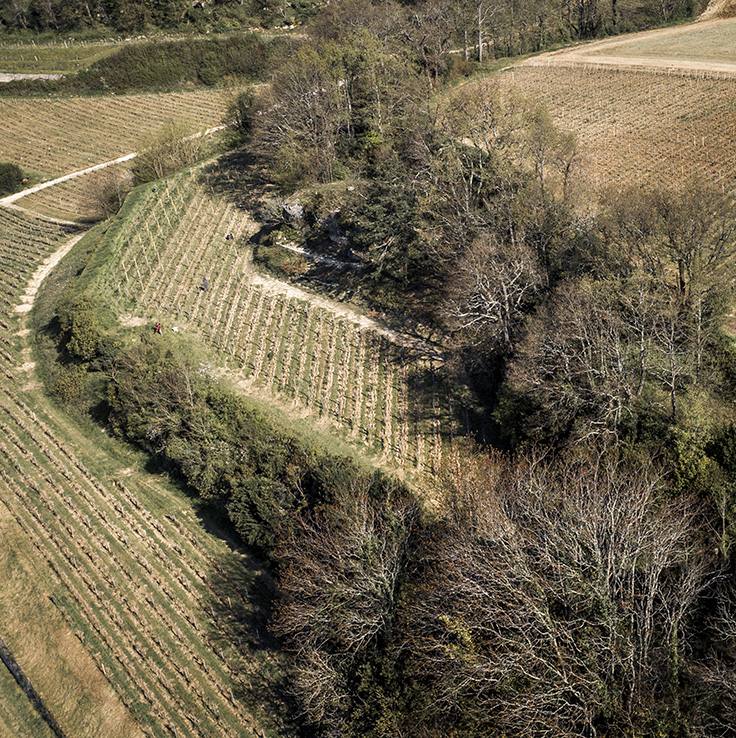
Micro-climates, reliefs, exposures, soils, the work of winegrowers throughout history… The terroir of Larcis constitutes both a natural and cultural heritage. The geography of Larcis Ducasse is forged over time. By contemplating the winegrowing vestiges and the design of the parcels, the vision of men, the philosophy of those who exalted the magnificent flavours of this land, are fully apparent.
Understanding the taste
We all know it: the landscape of Larcis has a taste of its own. Its terroir reveals itself by the intermediary of the plant. This inimitable alchemy comes from a thorough understanding of the place and a heightened apprehension of our soils and subsoils.
What about the backbone, the golden thread? What forms the typicality of our wines?
« The vintages, their history, foster the voice of each one of the facets of Larcis. Whether it means the expression of the « saline » or the «luminous » nature of the wines… depending on the year, the terroirs benefit from conditions that permit them to affirm their dominant character in the wines of Larcis Ducasse. »
David Suire, Winemaker
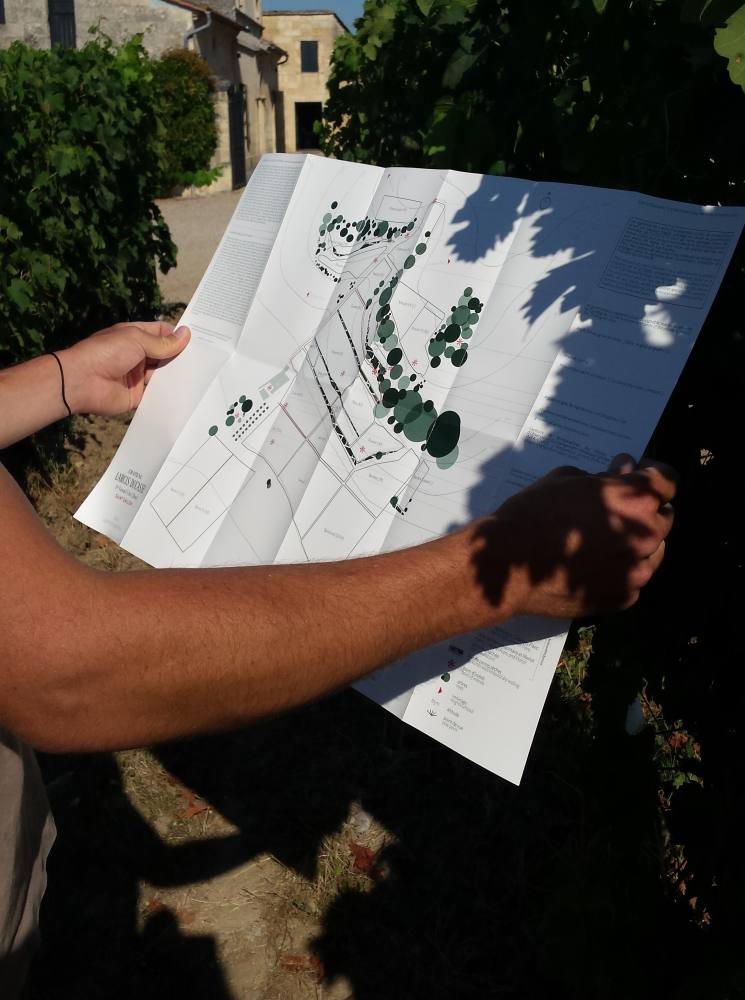
Explore the interactive cartography of tastes in order to discover the specificities of our terroirs and that which constitutes the unique character of our vineyard.
A differentiated
management
In a Burgundian manner, in the cellar, we seek to reveal this diversity by a specific vinification and barrel ageing where each and every lot is differentiated.
In this manner each terroir may express its own unique character, develop its personality: mineral, elegant, earthy, fruity…